1) RESEARCH PROJECTS
We hereby present possible collaborative research projects and other projects promoted by our members as follows.
-
Grant in Aid for Scientific Research (S)
Establishment of Fundamental Theories on Material Strengthening Mechanisms Based on Nano-Dynamics Observation
https://www.jsps.go.jp/j-grantsinaid/12_kiban/ichiran_r04/index.html
https://www.jsps.go.jp/j-grantsinaid/12_kiban/ichiran_r04/j-data/r_4_jp_22h04960.pdf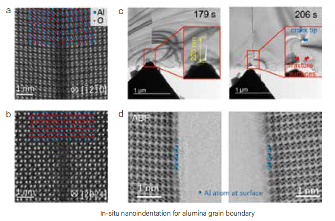
-
Ion Jamology
Materials design transformation by understanding non-equilibrium and collective ion flow
https://ion-jamology.jp/en/
-
ALCA-Next
Innovative ammonia cracking using vacancies as reaction sites
https://www.jst.go.jp/alca/en/field/field1.html
-
Hydrogen Boride Research Center, University of Tsukuba
Toward the realization of Carbon neutrality
https://www.ims.tsukuba.ac.jp/~hbrc/en/index.html
-
"Hydrogen Area", JST Green Technologies of Excellence (GteX)
Innovative Hydrogen Storage
-Analyses of Hydrogen Reactions and Application of Digital Technologies-
https://www.jst.go.jp/gtex/en/index.html
https://gtex.h-storage.wpi-aimr.tohoku.ac.jp/
-
“Carbon-neutral mobility systems”, Cross-ministerial Strategic Innovation Promotion Program (JST)
Self-sustaining renewable energy sources in conjunction with their integration into next-generation mobility solutions
https://www.jst.go.jp/sip/sems/index.html -
Hydrogenomics — Hydrogen Science and Technology Collaborative Association
Industry-academia collaboration platform for the future of hydrogen science and technology
http://hydrogenomics-alliance.jp/
-
Hydrogenomics:
2018-2022 Grant-in-Aid Scientific Research on Innovative Areas, MEXT, Japan
A science for completely utilizing from its bonding and size flexibilities
https://www.hydrogenomics.jp/indexE.html
-
Interface IONICS:
FY2019-2023 Grant-in-Aid for Scientific Research on Innovative Areas, MEXT, Japan
Science on Interfacial Ion Dynamics for Solid State Ionic Devices of Next Generation
https://interface-ionics.jp/en/index.html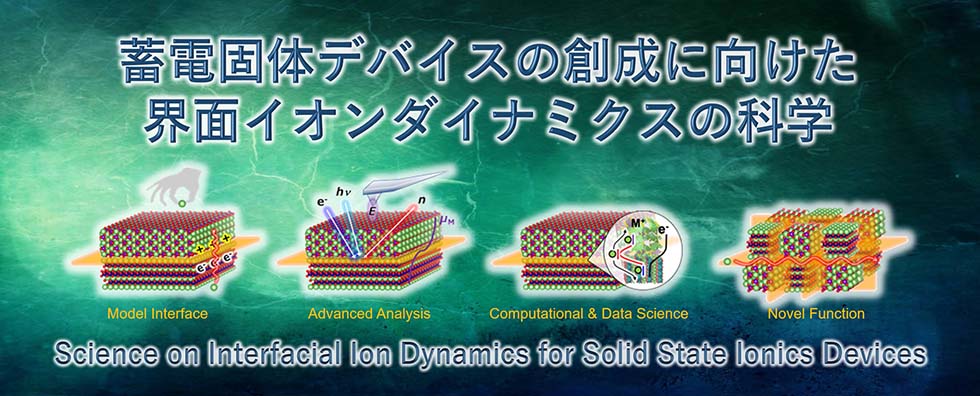
-
Grant-in-Aid for Scientific Research , Basic Research S
Study of room temperature superconductivity of hydrides and its application to devices
http://www.hpr.stec.es.osaka-u.ac.jp/kibans_home/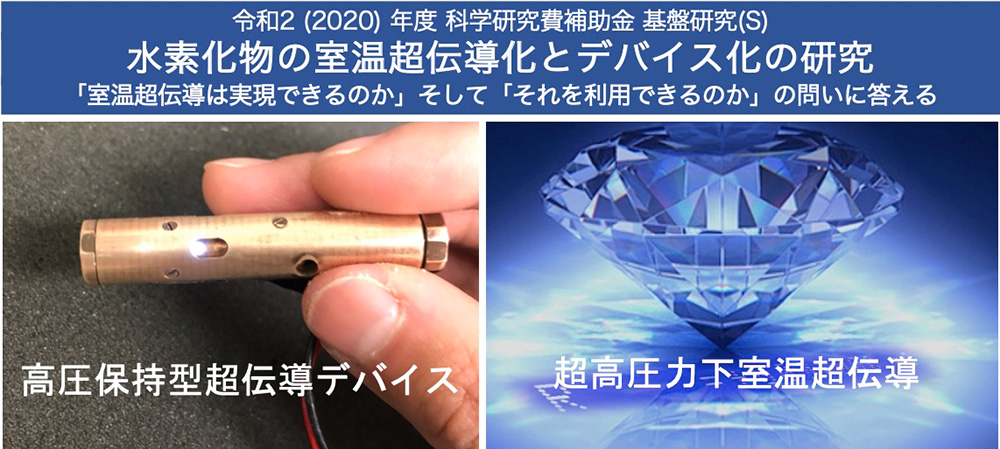
-
Grant-in-Aid for Scientific Research , Basic Research S
Fundamental study of the mechanism of material strength development based on nanodynamics observation
https://www.jsps.go.jp/j-grantsinaid/12_kiban/ichiran_r04/index.html
https://www.jsps.go.jp/j-grantsinaid/12_kiban/ichiran_r04/e-data/r_4_en_22h04960.pdf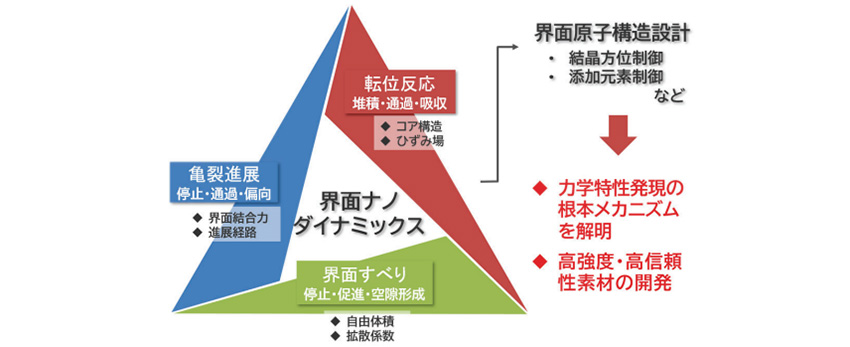
-
JST: Japan Science and Technology Agency, PRESTO
Catalyst structure control for highly efficient and highly selective conversion of carbon dioxide
https://www.jst.go.jp/kisoken/presto/project/
1112084/1112084_2020.html -
JST: Japan Science and Technology Agency, Fusion Oriented Research for disruptive Science and Technology
Creation of novel solid catalysts using heteroanion sites as reaction sites
https://www.jst.go.jp/souhatsu/research/
researcher_ka.html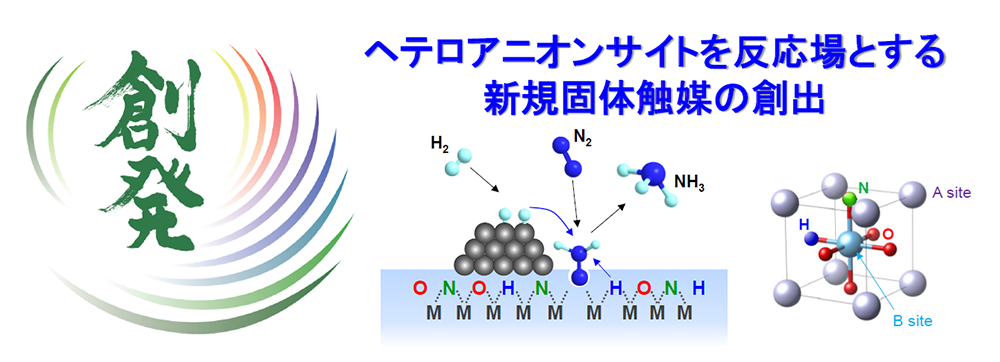
-
“New Social Challenges” mission area, MIRAI Program, Japan Science and Technology Agency (JST)
Material and energy circulation technology based on biomass
https://www.jst.go.jp/mirai/jp/uploads/r04-220921-1.pdf
-
QST: National Institutes for Quantum Science and Technology
- Tohoku University Matching Research Support Program
Promoting Next-Generation Synchrotron Radiation Research with Cutting-Edge Technologies from Both Institutions
https://www.qst.go.jp/site/qst-english/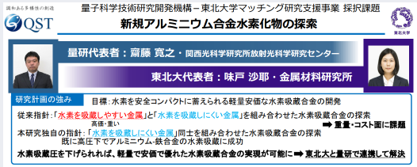
-
AZUL Energy Inc.
Start-up business from Tohoku University aiming to commercialize rare metal-free catalysts for hydrogen technology
http://www.azul-energy.co.jp/en/
-
3DC Inc.
Start-up business from Tohoku University to provide carbon materials for next-generation batteries
https://www.3dc.co.jp/en/
2) RESEARCH INFRASTRUCTURES
Hereby we introduce information about distinctive research infrastructure.
If you are interested in, please feel free to contact us (who is described as “By”),.
Mathematical Science / Analysis / Software
-
The Dynamic Database of Solid-State Electrolyte (DDSE)
We developed a dynamic experimental database containing >900 solid-state electrolyte materials, including mono- and divalent cations and various types of anions. This online interface can visualize the relationships among various materials' properties in the database, and users can choose the interested ranges on the plot. Users can evaluate the performance of their materials by inputting new experimental data to the panel; afterward, DDSE can display the performance ranking of users' new materials among the previously reported SSEs.
https://doi.org/10.50974/00137195
(By: Prof. Hao LI / li.hao.b8@tohoku.ac.jp)
-
Topological Data Analysis System
It consists of a software platform (HomCloud) and optimized hardware. And it enables us to extract and quantify geometric features contained in complex data from molecular simulation results and microscopic observation images of hydrogen-related materials. This provides descriptors for “noticing” where microstructural differences lie and for investigating structure-property correlations.
(By: Assoc. Prof. Kazuto Akagi / kazuto.akagi.b5@tohoku.ac.jp) -
CatMath
Providing a package that enables analysis of catalytic reaction activity based on first-principles calculations.
http://81.71.102.117:8080/
(By: Prof. Hao LI / li.hao.b8@tohoku.ac.jp)
-
LAMMPS
Transport and chemical reactions can be analyzed using molecular dynamics calculations by solving the equations of motion of atoms.
(By: Dr. Ryuhei Sato /r-sato@g.ecc.u-tokyo.ac.jp)
Advanced Measurement
-
Automatic Controlled PCT Apparatus (Volumetric Technique) Connected with a Hydrogen Gas Booster
Automatic measurement of hydrogen gas absorption and desorption reactions on materials.
(By: Assoc. Prof. Toyoto Sato & Prof.Shin-ichi Orimo / toyoto.sato.d4@tohoku.ac.jp)
-
Thermogravimetry (TG)-Differential Thermal Analysis (DTA) Connected with Mass Spectrometry (MS)
Simultaneous measurements of thermogravimetric analysis (TG) and differential thermal analysis (DTA) connected with mass spectrometry (MS) in Ar filled glove box (O2: < 1 ppm, dew point: < -90 ºC).
(By: Assoc. Prof. Toyoto Sato & Prof.Shin-ichi Orimo / toyoto.sato.d4@tohoku.ac.jp)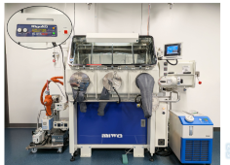
-
Schottky Field Emission Scanning Electron Microscope with a Soft X-ray Emission Spectrometer
Observation of morphology and nanoscale structures in micro-regions. Characterization of components and chemical states in materials using EDX, soft X-ray emission spectrometer and mass spectroscopy.
(By: Assoc. Prof. Toyoto Sato & Prof.Shin-ichi Orimo / toyoto.sato.d4@tohoku.ac.jp)_折茂研.png)
-
Calvet-Type Calorimeter for High-Temperature and High-Pressure Hydrogen Gas
High-sensitivity differential scanning calorimetry with Calvet-type detection under hydrogen gas pressure combined with PCT measurement.
(By: Assoc. Prof. Toyoto Sato & Prof.Shin-ichi Orimo / toyoto.sato.d4@tohoku.ac.jp)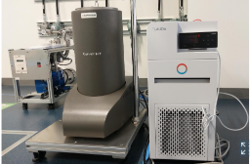
-
Powder X-ray Diffractometer
Phase identification and crystal structural characterizations under vacuum and hydrogen pressure available for balk and thin film materials.
(By: Assoc. Prof. Toyoto Sato & Prof.Shin-ichi Orimo / toyoto.sato.d4@tohoku.ac.jp)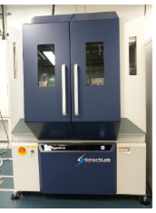
-
Hydrogen Analyzer
Analyzing hydrogen concentration in materials measured by a thermal conductivity detector.
(By: Assoc. Prof. Toyoto Sato & Prof.Shin-ichi Orimo / toyoto.sato.d4@tohoku.ac.jp)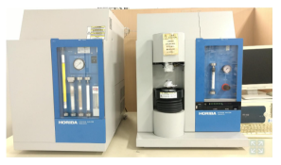
-
Bet Specific Surface Area & Pore Size Analyzer
Measurements of specific surface area, pore size distribution and gas adsorption/desorption in porous materials.
(By: Assoc. Prof. Toyoto Sato & Prof.Shin-ichi Orimo / toyoto.sato.d4@tohoku.ac.jp)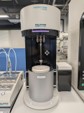
-
Benchtop Nuclear Magnetic Resonance (NMR)
:
Characterizations of materials using nuclear magnetic resonance.
(By: Assoc. Prof. Toyoto Sato & Prof.Shin-ichi Orimo / toyoto.sato.d4@tohoku.ac.jp)装置_折茂研.jpg)
-
Hitachi High-Tech Corporation HF5000 Field Emission Transmission Electron Microscope
It is equipped with a beryllium twin-axis holder, an HTC MEMS heating holder (gas holder), an EDS (Elite T Super (70mm2)) and an EELS (Gatan GIF Continuum ER System), etc. For sample preparation, it has a UV ozone sample cleaner and a TEM holder vacuum storage cabinet, and measures have been taken to ensure a quiet environment.
https://www.ims.tsukuba.ac.jp/~hbrc/kyoyo.html
(By: Prof. Takahiro Kondo / takahiro@ims.tsukuba.ac.jp)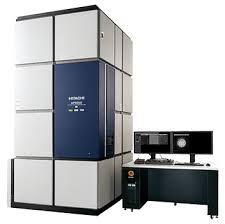
-
Ultrahigh-Resolution Spin-Resolved Photoemission Spectrometer
It is used to elucidate electronic structure in hydrogen-related materials under ultra-high vacuum.
(By: Prof. Takafumi Sato / t-sato@arpes.phys.tohoku.ac.jp)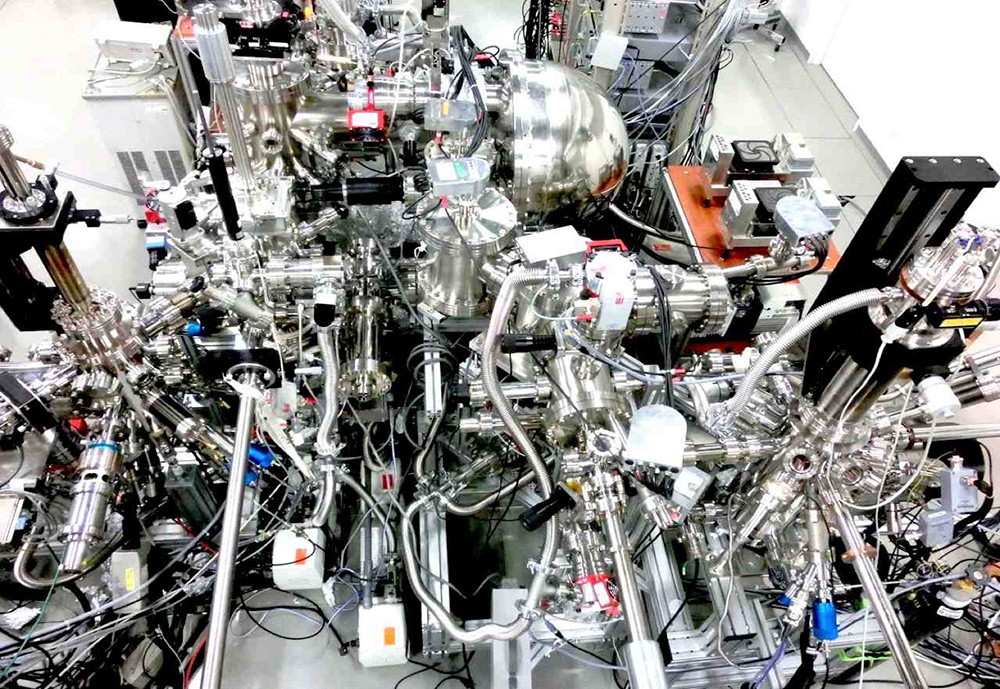
-
In-situ Raman / Infrared Spectrometer
Thermo Scientific/ Nicolet iN10/DXR. Temperature and pressure can be controlled under hydrogen atmosphere by a specialized chamber.
(By: Assoc. Prof. Toyoto Sato & Prof. Shin-ichi Orimo / takahiro@ims.tsukuba.ac.jp)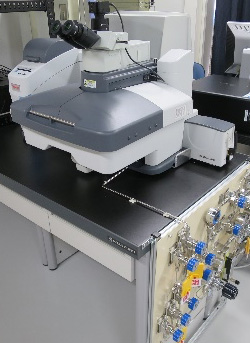
-
Ultra-High Sensitivity Temperature-Programmed Desorption (TPD) System under Ultra-High Temperature
It makes quantitative and qualitative analysis of light elements including hydrogen at the ppm level by heating samples up to 2300℃.
(By: Prof. Hirotomo Nishihara / hirotomo.nishihara.b1@tohoku.ac.jp)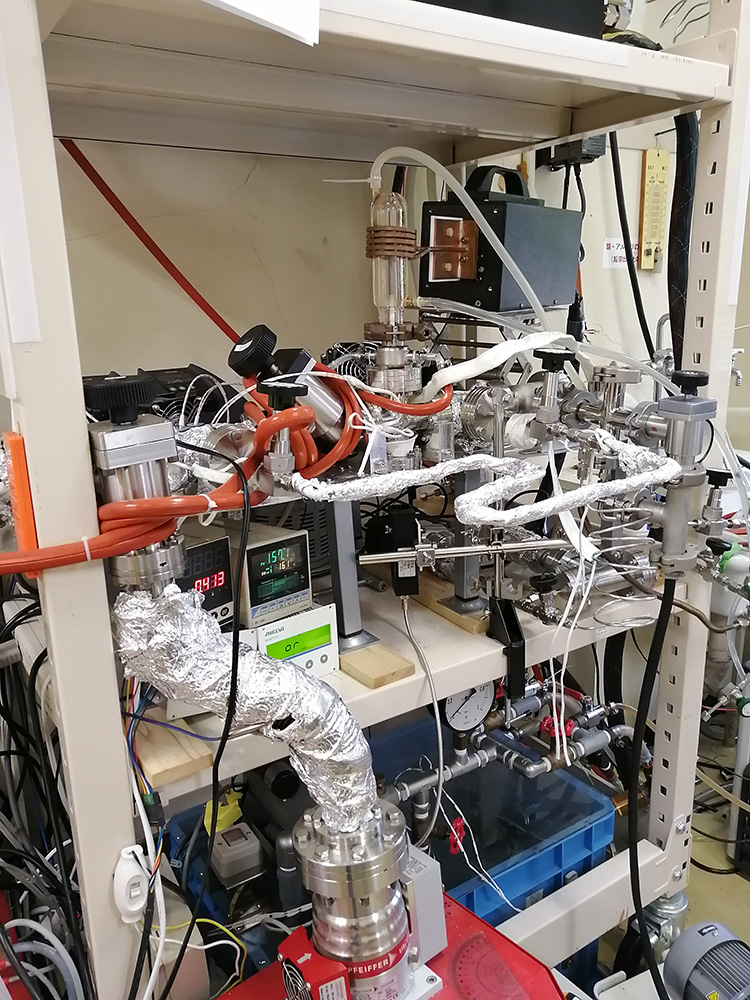
-
Transmission Electron Microscope for Soft Materials
Hitachi Hi-Tech Global H-7650, equips with EDAX・Genesis and high tilt sample holder. A general-purpose transmission electron microscope with acceleration voltage of 100 kV, additionally equipped with EDS elemental mapping analysis and ±60˚ sample tilt holder. It can be used for 3D structural observation and elemental analysis for soft materials.
(By: Prof. Hiroshi Yabu / hiroshi.yabu.d5@tohoku.ac.jp)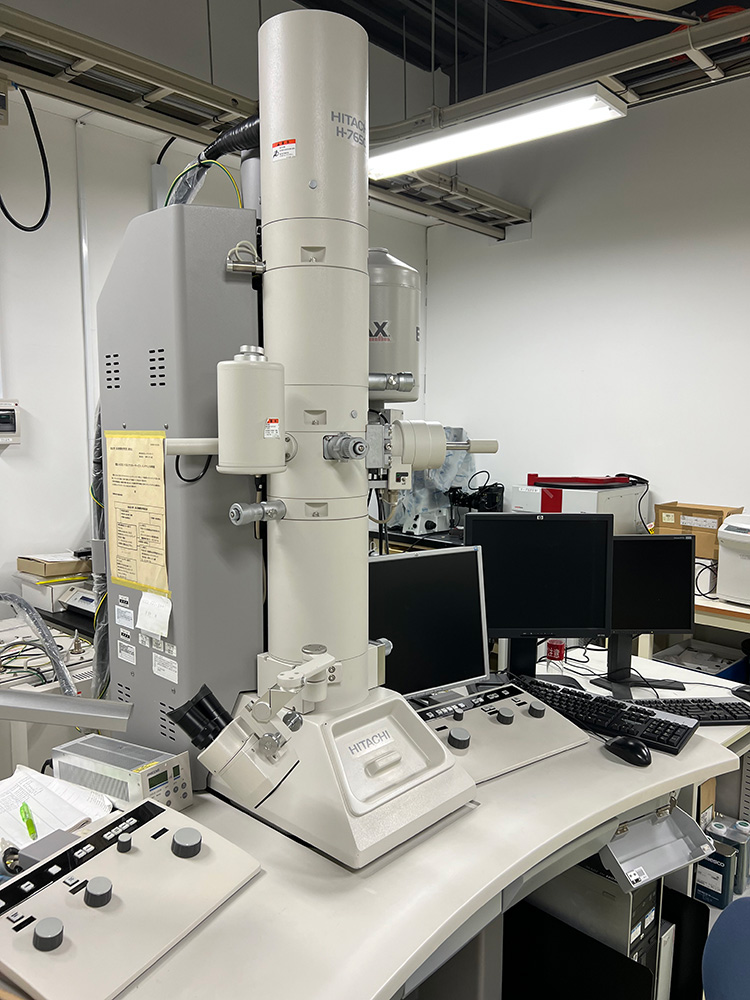
-
Atomic-Resolution Analytical Electron Microscope
JEOL: JEM-ARM200F equipped with Dual SDD. It has 80pm of special resolution and applicable to STEM observation and EDS, EELS measurement. (Advanced research infrastructure for material and nanotechnology in Japan.)
(By: Dr. Mitsuhiro Saito & Prof. Yuichi Ikuhara / msaito@sigma.t.u-tokyo.ac.jp)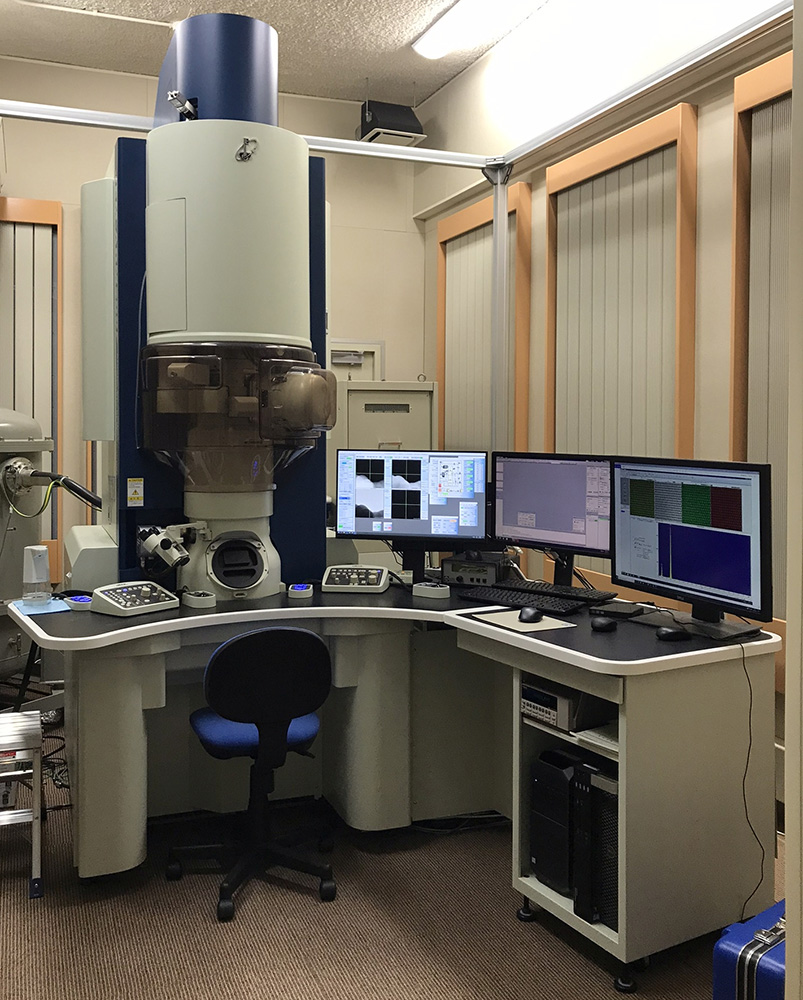
-
Advanced Measurement System of X-ray Absorption Fine Structure (XAFS)
Advanced XAFS measurements (3D and 2D high-resolution, depth-resolution on top surface, highly time-resolution, etc.) in special environments (high temperature, controlled atmosphere, electric energized state, etc.) are possible (measurements are performed at synchrotron radiation facilities).
(By: Prof. Koji Amezawa / koji.amezawa.b3@tohoku.ac.jp)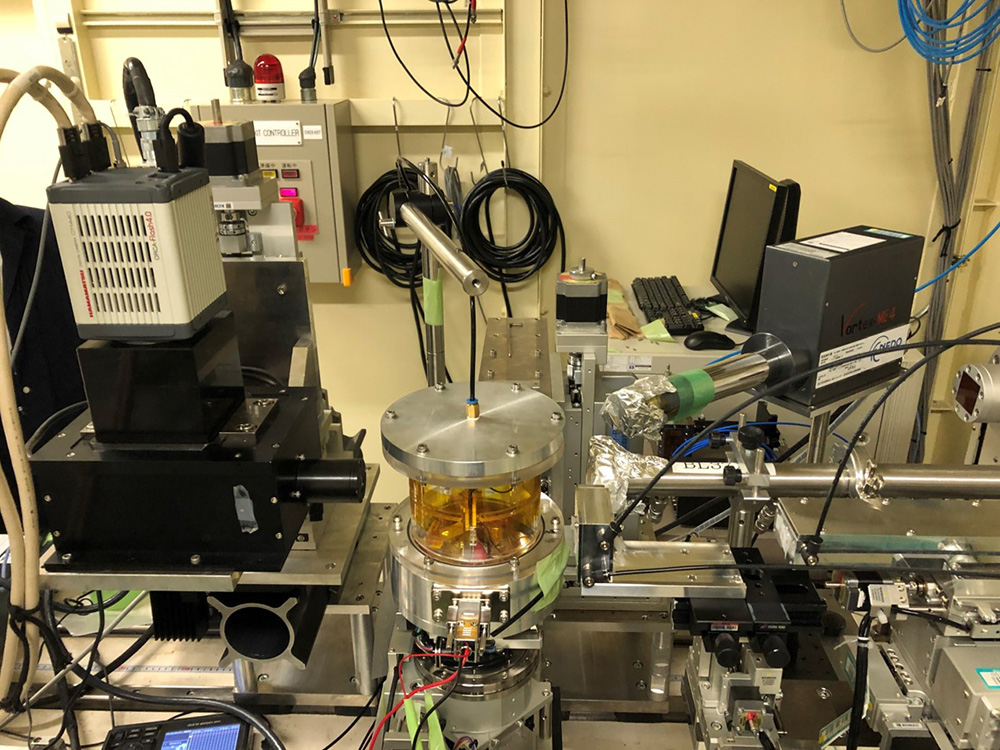
Material Synthesis
-
Liquid Ammonia Generation System
Material synthesis using liquid ammonia is possible.
(By: Prof. Masaaki Kitano / kitano.m@mdxes.iir.isct.ac.jp)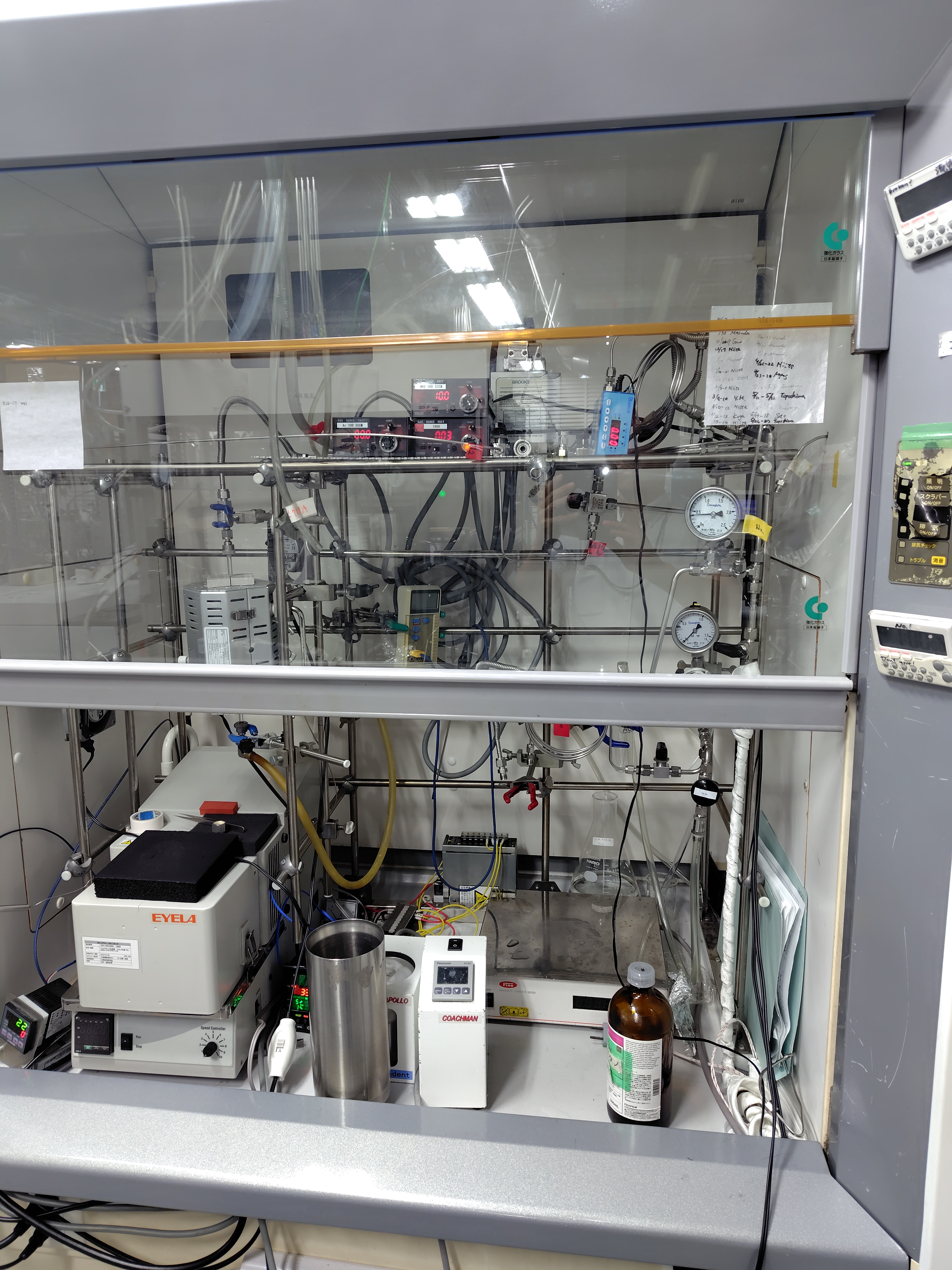
-
Atmosphere-Controlled Tubular Electric Furnace
Heating of materials can be performed under various atmospheres (N2, H2, NH3) and temperature conditions ranging from room temperature to 1000℃.
(By: Prof. Masaaki Kitano / kitano.m@mdxes.iir.isct.ac.jp)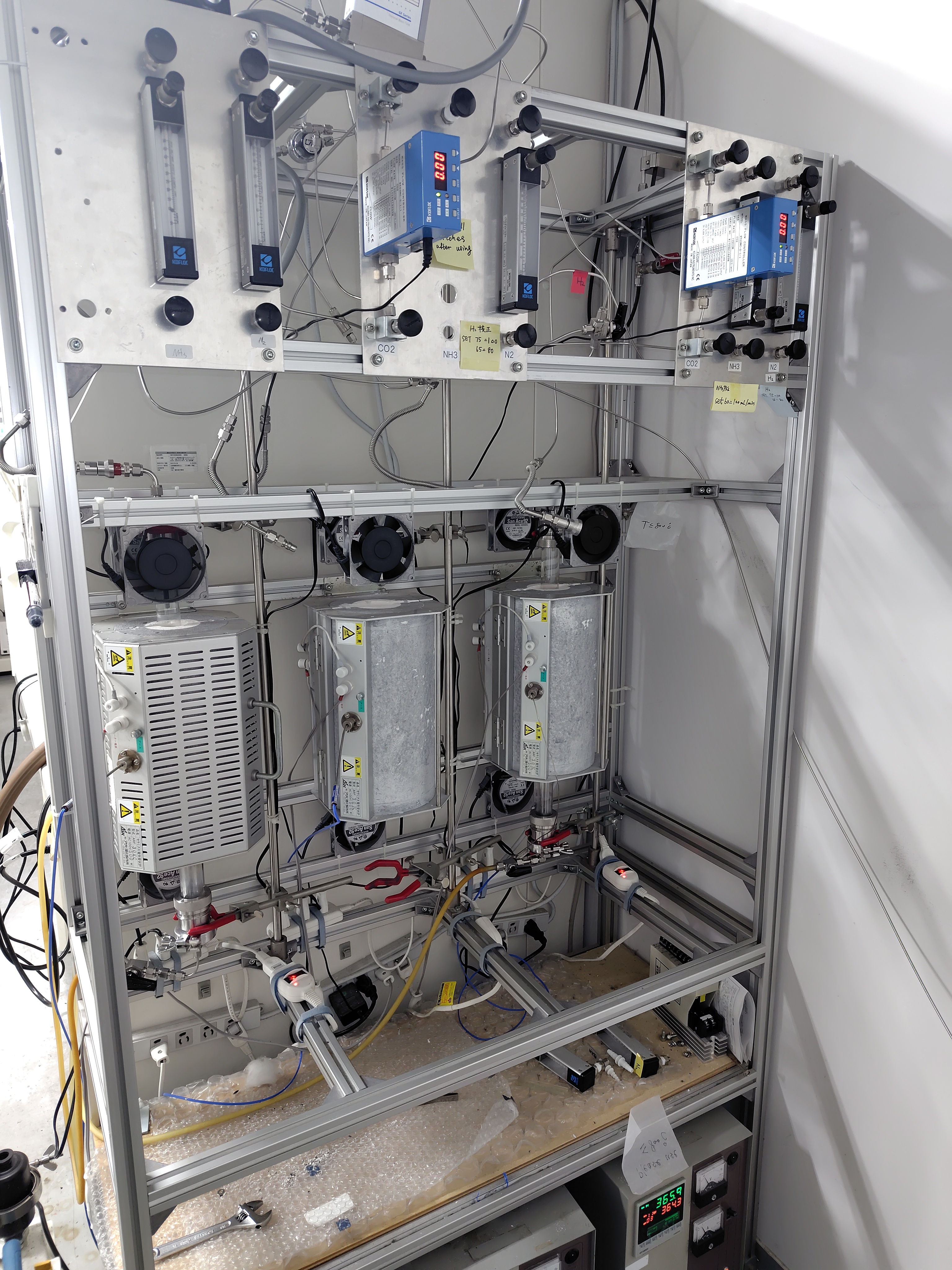
-
In-situ Infrared Spectrometer (Diffuse Reflectance Method)
JASCO Co. FT-IR 6X. Using a dedicated cell, measurements can be performed under various atmospheres (N2, H2, CO, Ar, and vacuum) and temperature conditions ranging from −170℃ to 500℃.
(By: Prof. Masaaki Kitano/kitano.m@mdxes.iir.isct.ac.jp)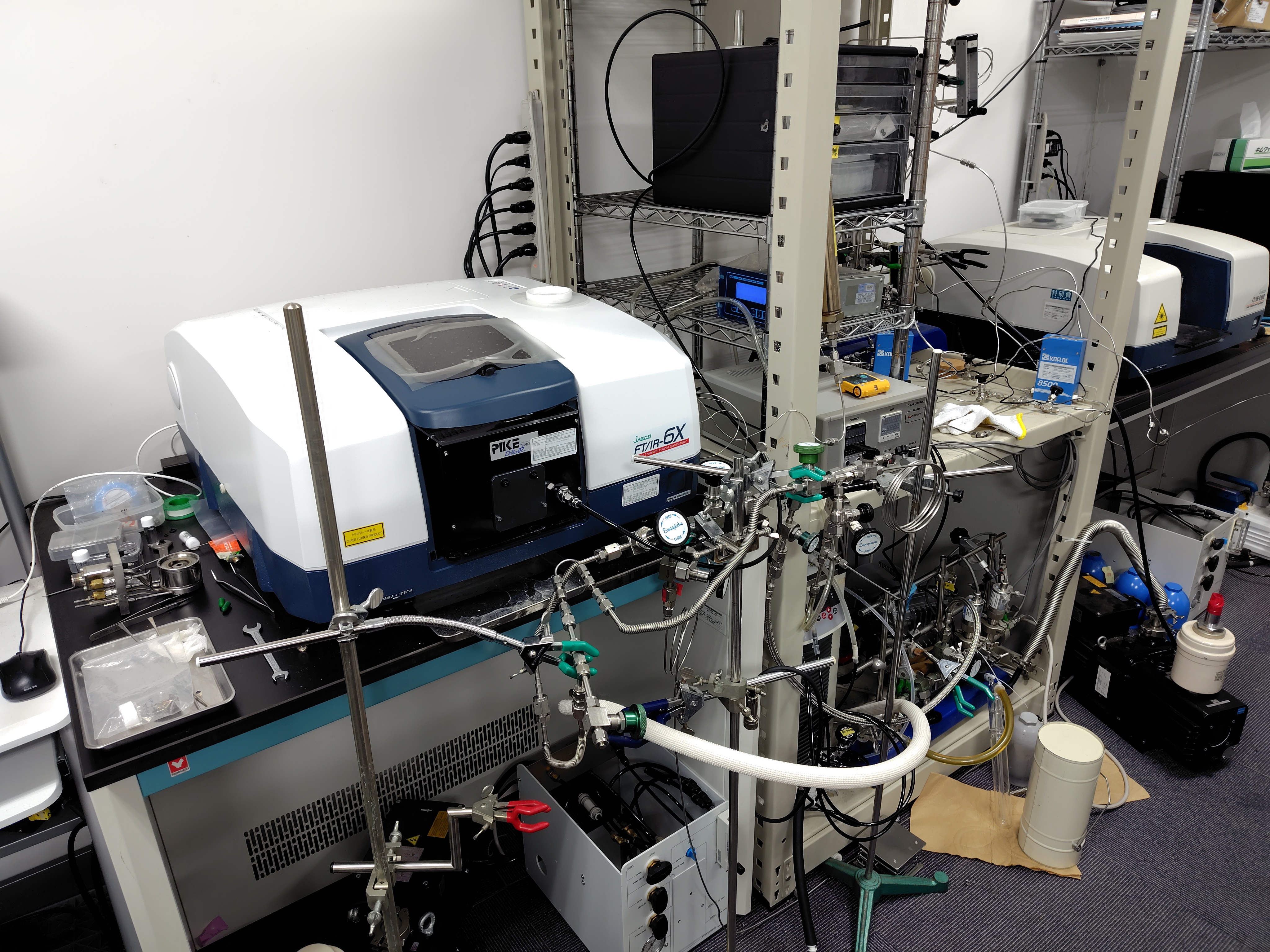
-
High-Pressure Reactor and Gas Chromatograph System
SHIBATA: ChemiChemi-200 (custom made), SHIMADZU: GC-2014. Pressure <15 MPa, Temperature < 200℃, used for hydrogen related catalytic reaction as well as analysis and quantification of reaction products.
(By: Prof. Keiichi Tomishige / keiichi.tomishige.a1@tohoku.ac.jp)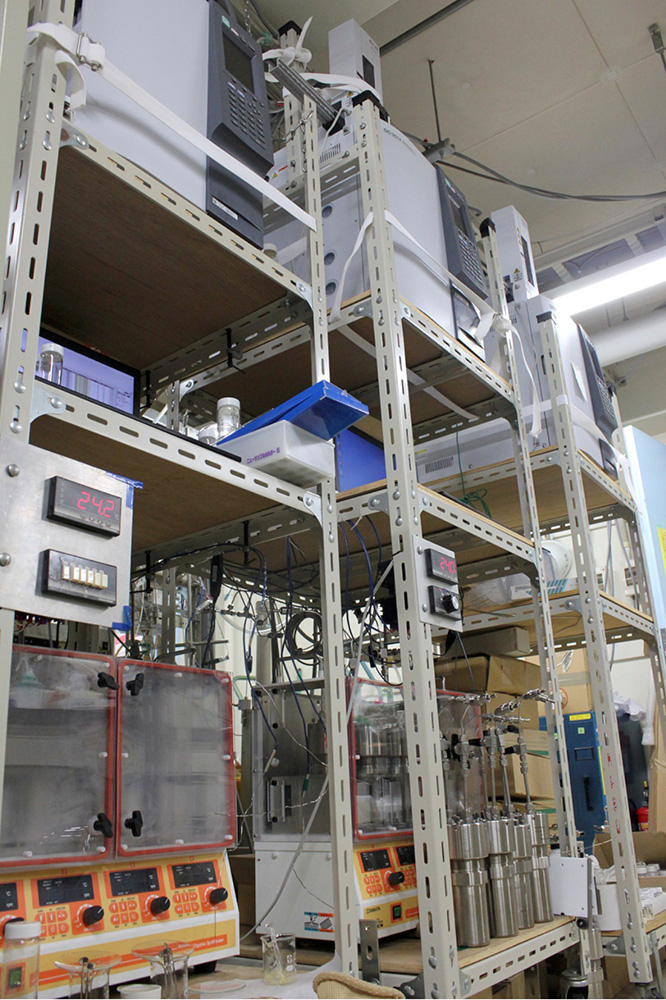
-
Pulsed Laser Deposition (PLD) System
Preparing epitaxial thin films of compounds including oxides. Heat treatment temperature <850℃, in-situ RHEED observation is also available.
(By: Prof. Naoto Todoroki / naoto.todoroki.b1@tohoku.ac.jp)